
Living on Tulsa Time: SMART at the Main Street Now Conference
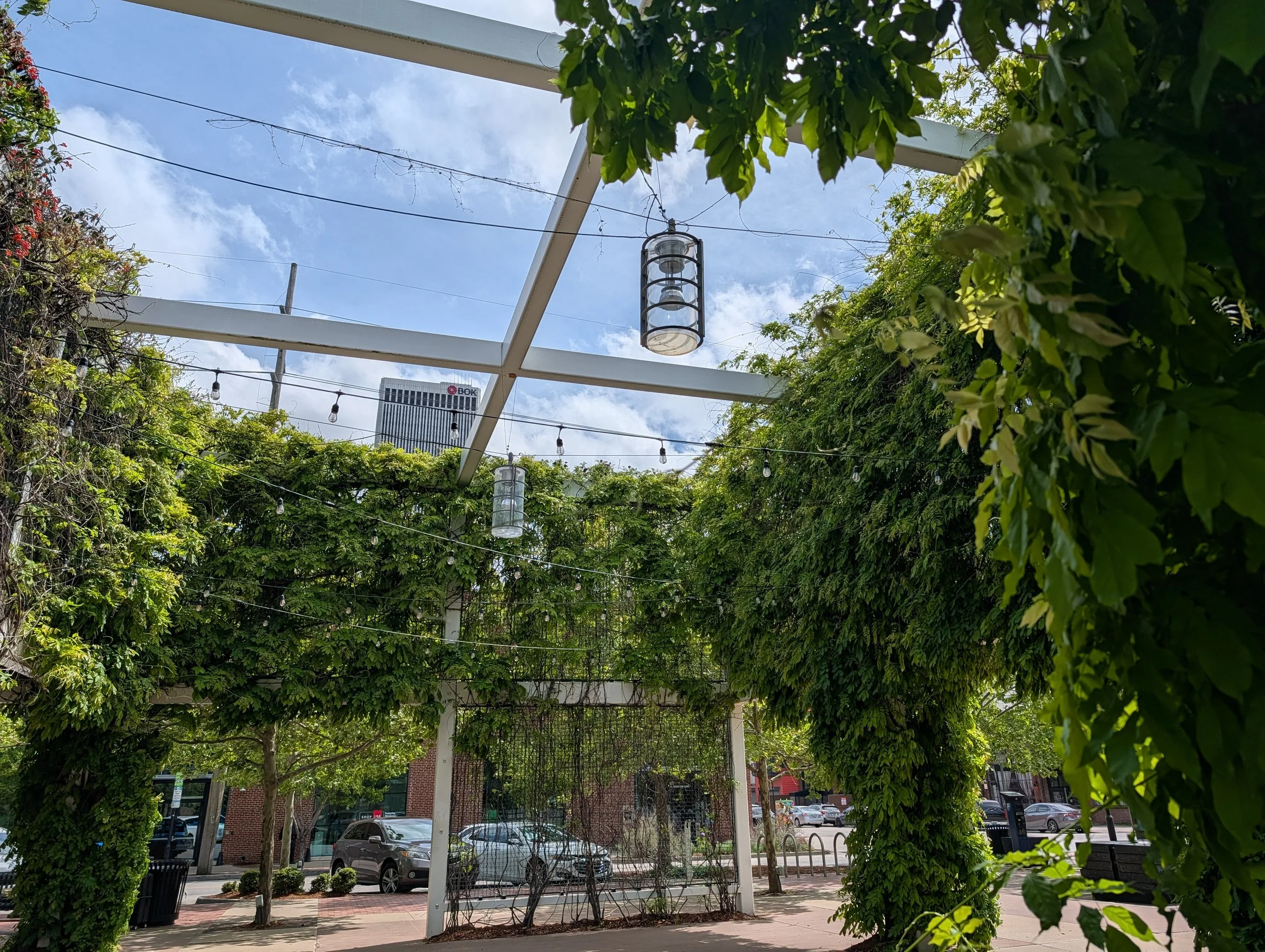
Park in the Tulsa Arts District across from the Woody Guthrie Center
The SMART team took to the skies last month to attend the Main Street Now Conference in Tulsa, Oklahoma. This annual conference connects Main Street leaders from all over the country and provides training with proven strategies to create thriving downtowns for communities of all sizes. There were 1,800 attendees from 45 different states, and our President, Kendyl Polatas, and Executive Director, Katherine Miller, were proud to represent Southeast Montana on this national level!
Tulsa was not a town that so happened to have enough space. Main Street America chose to host the conference in Tulsa to highlight the amazing revitalization efforts in the city. There were hundreds of murals and public art installations, dozens of historic buildings that had been restored, vibrant restaurants, and thoughtfully designed parks dotting the entire downtown area. Our team made short work of buzzing across the district by utilizing the readily available electric scooters. Tulsa’s downtown has entered its renaissance! So much hard work has been put in, and still, there is evidence that more construction in various buildings was about to begin.
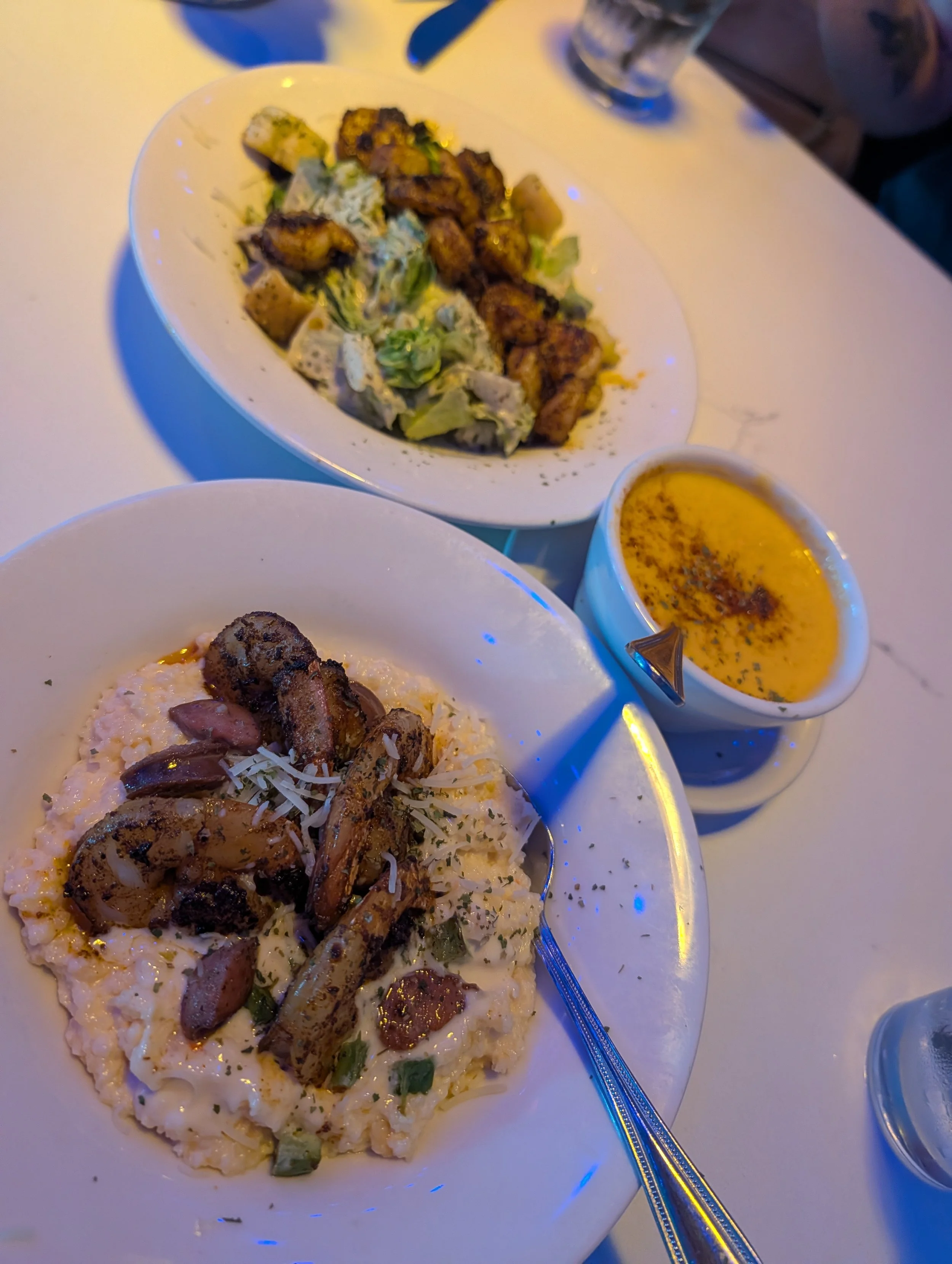
New Orleans cuisine at Bourbon St Cafe
A big part of what makes the efforts in Tulsa work is their commitment to heritage tourism, authentically highlighting and preserving the unique attributes of their city and community. Tulsa’s Main Street programs have worked tirelessly to create a real experience that is welcoming to visitors, not crafting an ingenuine experience on what they thought visitors would like. Heritage tourism is a harmonious union for residents and visitors, the perfect blend between increasing the quality of life for residents and creating a draw for visitors. Heritage tourism is about appreciating the things that make a place unique. The Main Street Now Conference generated more than $3 million dollars of economic activity in Tulsa, underlining how impactful visitor activity can be for a community.
Tulsa also sits on Route 66, which, too, has seen some incredible growth efforts over the past few years, and is celebrating its 100-year anniversary. Route 66 is the gold standard for route-based tourism, a specific kind of tourism that is based upon the journey and not a single destination. Each town along the route leans into what makes it unique. One town may have incredible places to eat, and the next town may have a plethora of choices for overnight accommodations. Route-based tourism plays into the strengths of each community, alleviating the pressure from individual locations to “do it all.” Not only is this unique approach attractive to visitors, but it is also an economic powerhouse for rural communities. According to the Kansas Fed’s By-Ways study, smaller routes (much smaller than Route 66) can bring anywhere from $250,000 to $450,000 of revenue each year per mile!
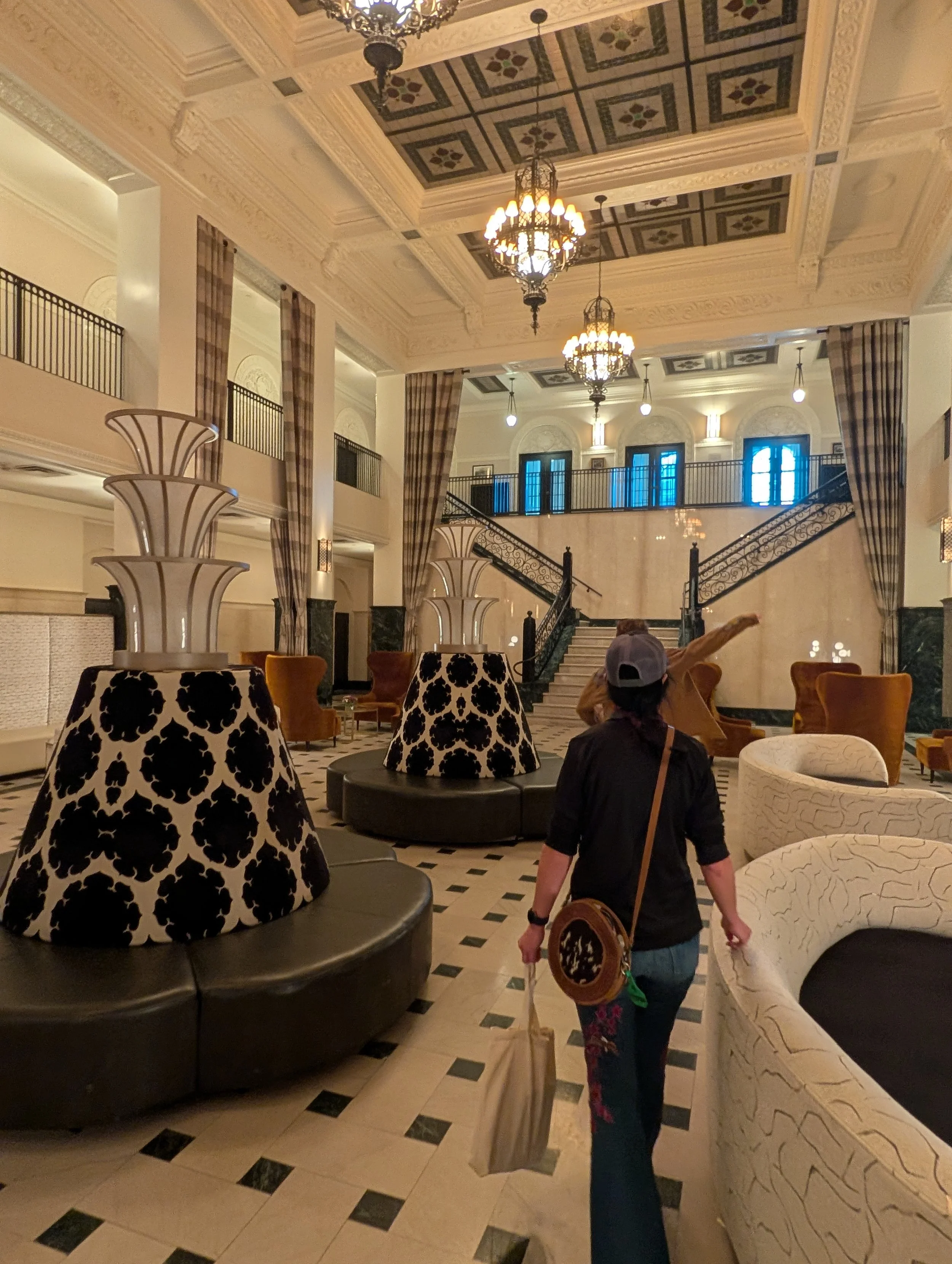
Lobby of the Mayo Hotel
So what did Tulsa and Route 66 do to revitalize? Well, this is no small answer. There isn’t one specific thing they did; it was all the things they did. Neon lights were one of the defining features of Route 66 and Tulsa back in the heyday, and those lights have been going out. Now, the heavy-handed response you may be thinking of is to pass a city ordinance mandating everyone to fix their neon lights - make it a rule to keep the lights on. We won’t get into the legal aspect of that idea, but, economically speaking, businesses do better with fewer regulations. It is wise to save your “must follows” for things that are really important, lest you drive away businesses and be left with broken lights and vacant buildings. Instead, a neon light grant opportunity was made available. Businesses had the opportunity to fix, replace, or install neon or LED tube lighting so long as their project fit within certain parameters, matching the historic feeling the Main Street programs wanted to restore. This gave businesses the choice to participate, and every business owner can do the math to know that it’s a pretty good deal to have a grant pay for your sign.
But how does a town make a grant program like Route 66 and Tulsa did? The signs aren’t actually free; someone paid for them. Make no mistake, grants aren’t free, there is no magic money tree that was secretly planted in a garden we are harvesting to pay for these grants - and even that is not arguably free either. There are many different systems that can be put into place to generate these funds. A Tax Increment Financing (TIF) district can be implemented for a geographic area, a temporary process where property tax rates are “frozen” on the municipality’s side, and each subsequent increase to property value is set aside into a specific account for economic development in that same geographic area. A Revolving Loan Fund (RLF) can be established, where a principal amount is procured (donations, loans, other grants) and is lent out to businesses for approved projects. The interest from these loans is returned into the pot of money to grow, and once large enough, can be used for grant funding. Lodging or “bed” taxes can be implemented, a surcharge added to short-term rentals and hotels, which the customer pays, is collected and put aside for economic development purposes. Nonprofit organizations can steward funds from donors in a special account called an endowment fund, where the principal amount (the amount originally donated) is kept intact, and only a portion of the interest is used for a purpose defined by the donor. There is a wide variety of public and private opportunities available, all of which come with pros and cons.
The SMART team brought home valuable knowledge from the session and the city. From growing grassroots volunteers to place-based regenerative tourism practices, there were many new ideas and perspectives applicable to our neck of the woods. Baker’s Main Street program is getting ready to form a new committee as a direct result of the Main Street Conference, putting these practices to work.